

Salvia divinorum can trigger very intense, short lived hallucinations, rapid shifts in mood and perception, and unsafe behaviors. While some people experiment because it is a plant, Salvia is not benign. Psychological dependence, risky decision making, and lingering anxiety or derealization can follow repeated use. Long Island Addiction Resources is a confidential referral service that helps Nassau and Suffolk residents compare nearby licensed programs that match their needs and insurance. We are not a rehab or medical provider.
What Is Salvia
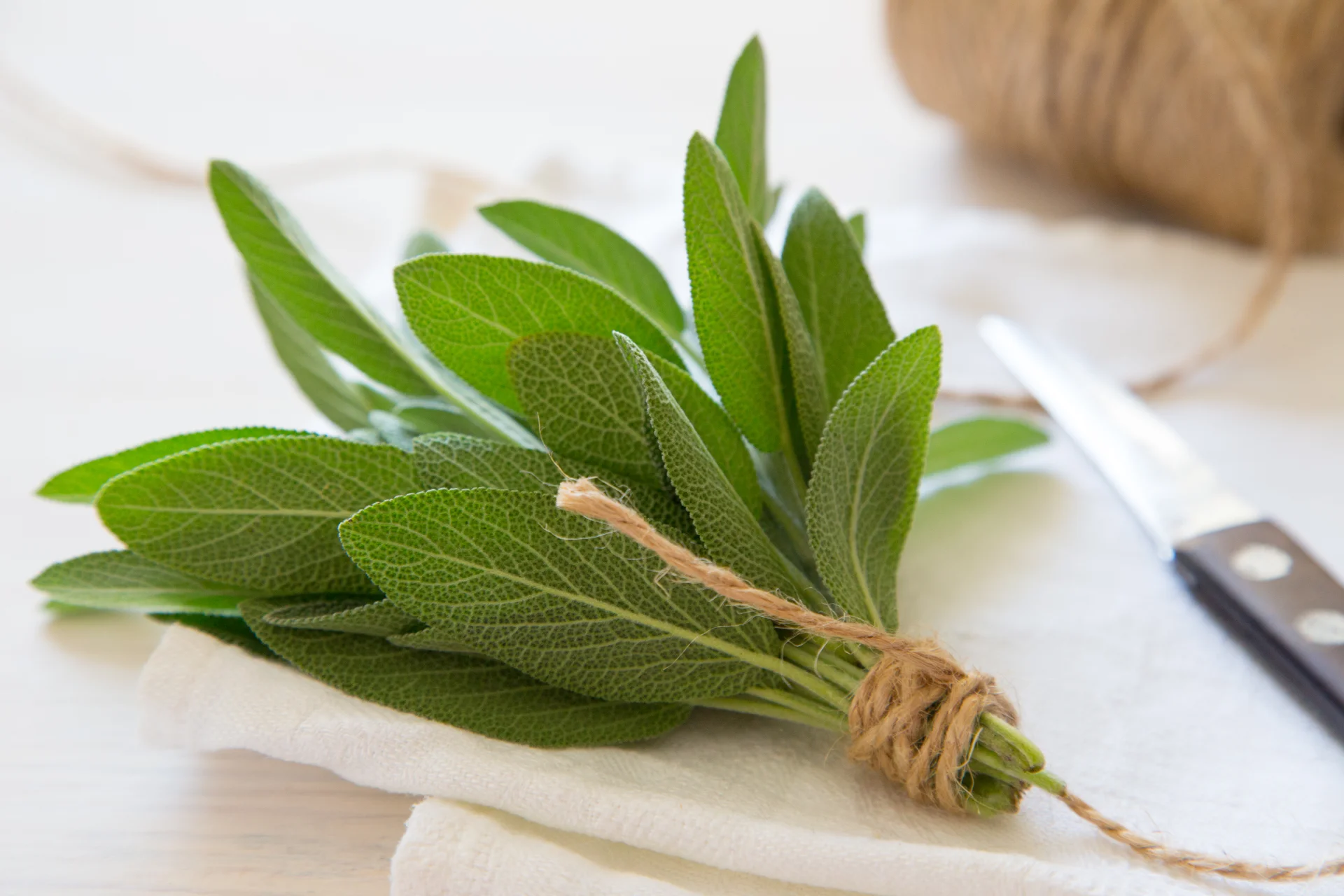
Salvia divinorum is a member of the mint family native to Oaxaca, Mexico. Its active compound, salvinorin A, is a potent kappa opioid receptor agonist that causes dissociation, visual and auditory distortions, and altered body and time perception. Leaves may be chewed, smoked, or used sublingually. Products range from raw leaf to concentrated extracts that can be many times stronger.
Prevalence and Legal Status on Long Island
New York State restricts sale and public use of Salvia. Suffolk County bans possession, use, and sale. Enforcement and penalties vary by locality. Even where personal possession is not explicitly banned, buying, selling, or using Salvia can still lead to legal risk and health emergencies. Programs on Long Island treat Salvia problems within broader hallucinogen use care pathways.
How Salvia Affects the Brain and Body
- Mechanism Salvinorin A activates kappa opioid receptors and disrupts networks that help integrate sights, sounds, body position, and self awareness.
- Onset and duration Smoked or vaporized: effects in seconds, peak within minutes, often resolve in 15 to 30 minutes with an afterglow up to 1 to 2 hours. Chewed or sublingual: slower onset with longer plateaus, often 60 to 120 minutes.
- Set and setting Mindset, environment, dose, extract strength, and co use of other substances strongly shape outcomes.
Short Term Risks
- Disorientation, panic, paranoia, uncontrollable laughter or crying, and unsafe behavior such as wandering, running, or jumping
- Nausea, dizziness, loss of coordination, slurred speech, elevated heart rate and blood pressure
- Accidents and injuries due to dissociation and impaired judgment
- Polysubstance risk when mixed with alcohol, cannabis, stimulants, or sedatives
Longer Term Concerns
- Recurring anxiety, low mood, sleep disturbance, and derealization or depersonalization
- Memory and attention problems reported after heavy or frequent use
- Worsening of underlying conditions such as panic disorder, bipolar spectrum, PTSD, or psychosis vulnerability
- Respiratory irritation when smoked; throat and lung discomfort with concentrated extracts
Psychological Dependence and Problem Use
Salvia does not typically produce classic physical withdrawal. People can still develop a pattern of compulsive use driven by curiosity, novelty seeking, or escape from stress. Warning signs include dose escalation, preoccupation with using, using alone in unsafe settings, hiding use, and continuing despite anxiety, panic episodes, or relationship problems.
Withdrawal and After Effects
There is no well defined physical withdrawal syndrome. Many experience a post use crash with anxiety, irritability, sleep problems, and intermittent flashbacks. If other substances are involved, separate withdrawals may occur and need medical care.
Assessment on Long Island
A comprehensive evaluation reviews substances used, frequency and dose, mental health history, medications, medical risks, and safety concerns at home. Programs verify insurance and match level of care to your goals, supports, and risk profile.
Detox and Early Stabilization
- Setting Most stand alone Salvia cases can stabilize in outpatient or intensive outpatient settings. Inpatient care is appropriate when there is severe agitation, polysubstance use, unsafe environment, or high psychiatric risk.
- Medical support Calm, low stimulus environment, hydration, nutrition, and sleep support. Short term, non addictive medications may be used for acute anxiety, insomnia, or nausea. Severe agitation or psychosis is managed by clinicians with close monitoring.
- Safety Remove paraphernalia, avoid high risk peers or venues, and do not combine with alcohol or sedatives.
Levels of Care on Long Island
- Outpatient therapy and psychiatry Weekly sessions for stable cases with strong supports
- Intensive Outpatient Program or Partial Hospitalization Multiple days per week of skills groups, individual therapy, and medication management for persistent symptoms or higher relapse risk
- Residential or inpatient Twenty four hour structure for severe functional impairment, polysubstance patterns, or unsafe home settings
Evidence Based Therapies
- Cognitive Behavioral Therapy Identify triggers, restructure high risk thoughts, and practice coping skills with a written relapse prevention plan
- Dialectical Behavior Therapy skills Emotion regulation, distress tolerance, and interpersonal effectiveness for anxiety spikes and conflict
- Motivational interviewing Resolve ambivalence and align change with personal values and goals
- Mindfulness based relapse prevention Reduce cue reactivity and improve attention and emotion regulation
- Family therapy and peer support Communication skills, boundary setting, accountability, and reduced isolation through groups and mutual aid

Harm Reduction While You Seek Help
- Avoid using alone or in dangerous locations. Never drive. Do not use near heights, open water, or traffic.
- Do not mix with alcohol, cannabis, stimulants, or sedatives. Potency of extracts varies widely.
- Prioritize sleep, meals, hydration, and light daily movement to stabilize mood and energy.
- If you notice dose creep, preoccupation, or panic episodes, treat these as warning signs and reach out.
Aftercare and Relapse Prevention
- Written plan Early warning signs, if then coping steps, and crisis contacts
- Routines Consistent sleep and wake times, sunlight exposure, and regular exercise
- Ongoing supports Step down therapy, skills groups, and peer meetings. Consider recovery housing if home is unstable.
How We Help on Long Island
We listen to your story, verify insurance, and connect you with licensed providers across Nassau and Suffolk for outpatient therapy, IOP or PHP, residential treatment, medication management, and recovery housing. We are a connector and guide focused on person centered, evidence based care.